How the Reformation Shaped the Music of J.S. Bach

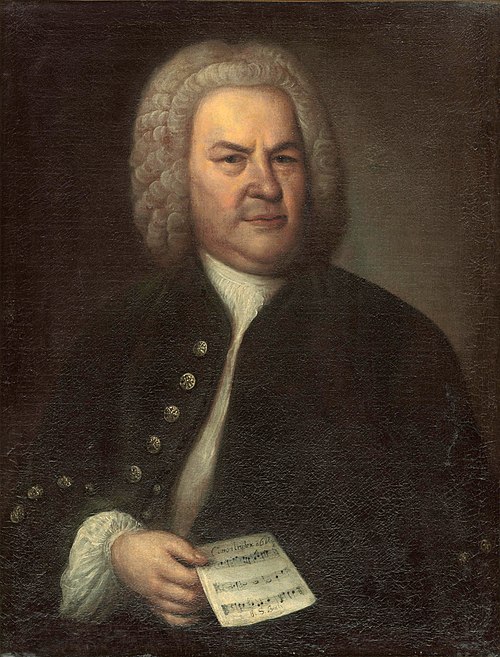
Johann Sebastian Bach is often regarded as one of the greatest composers of all time, but his music didn’t exist in a vacuum. It was deeply shaped by the Protestant Reformation, a religious movement that transformed not only theology, but also the role of music in worship and daily life. Here are three key ways the Reformation influenced Bach’s music.
1. The Central Role of Lutheran Chorales
One of the most direct impacts of the Reformation on Bach’s work was the Lutheran chorale. Martin Luther believed music was a powerful tool for teaching faith and should be accessible to everyone, not just trained choirs. As a result, simple hymn melodies in the vernacular became central to worship.
Bach built much of his music around these chorales. He harmonized them, embedded them into cantatas, and used them as thematic material for organ works. Many of his compositions were designed to help congregations understand and reflect on scripture through music.
2. Music as a Form of Worship and Theology
In the Lutheran tradition, music was seen as a way to glorify God and communicate theological ideas. Bach took this belief seriously, so seriously that he often signed his compositions with Soli Deo Gloria (“Glory to God alone”).
His sacred works weren’t just beautiful; they were intentional. Bach used musical structure, harmony, and symbolism to reinforce religious meaning. For him, composition was both an artistic craft and a spiritual calling shaped by Reformation ideals.
3. The Demands of the Church Musician
Because of the Reformation, churches required a steady supply of new music for services throughout the liturgical year. As a church musician, Bach was expected to compose, rehearse, and perform music weekly.
This environment pushed Bach to be incredibly productive and versatile. His cantatas, passions, and organ works reflect both the theological priorities of the Lutheran Church and the practical demands placed on musicians during this period.
Why This Matters Today
Understanding the influence of the Reformation helps us see Bach’s music not just as technical masterpieces, but as deeply meaningful works rooted in history, faith, and purpose. For students and performers, this context adds depth to interpretation, and reminds us that music has always been a powerful way to communicate ideas and beliefs.
Written by Meredith Wesolek
How to Expose Your Children to Excellent Classical Music
Related View More
Explore the Royal Conservatory of Music Examination Program
Should My Child Take Piano Exams?
Why Learn Classical Piano Repertoire?