How Soviet Oppression in Russia Shaped 20th Century Russian Composers

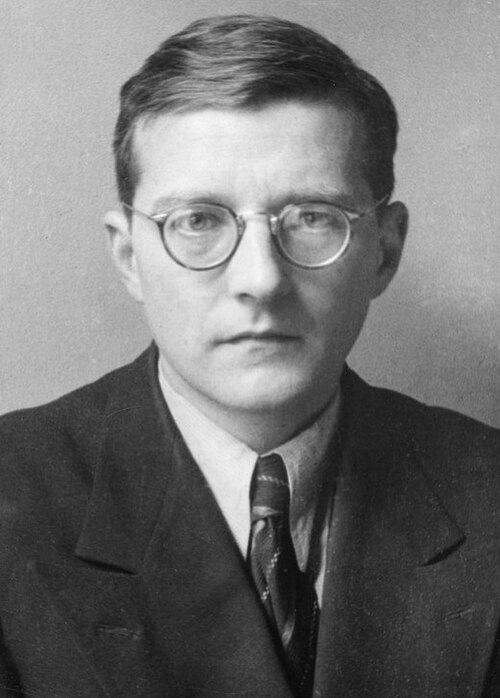
The political climate of the Soviet Union had a profound impact on Russian composers in the 20th century. Under strict government control, music became both a tool of the state and a means of personal expression. Many composers were forced to navigate censorship, fear, and ideology while still creating powerful and lasting works.
1. Censorship and Artistic Control
The Soviet government closely monitored artistic output, requiring music to follow the principles of Socialist Realism. Composers were expected to write music that was optimistic, accessible, and supportive of communist ideals. Works labeled as “formalist” were criticized or banned.
As a result, composers such as Dmitri Shostakovich and Sergei Prokofiev often altered their musical language to survive. Some pieces were simplified or revised, while more experimental or emotional works were hidden away or delayed for years.
2. Music as Hidden Protest
Although open criticism of the government was dangerous, composers found subtle ways to express fear, grief, and resistance through music. Irony, coded messages, and extreme emotional contrasts became tools for communicating what could not be said aloud.
Shostakovich’s symphonies are often cited as examples of this двойной смысл, or “double meaning,” where music could be interpreted as patriotic on the surface while conveying anguish and dissent beneath it.
3. Fear, Pressure, and Productivity
Constant surveillance and the threat of punishment created immense psychological pressure. Many composers lived with the fear of denunciation, loss of employment, or worse. This environment shaped not only the content of their music but also the urgency with which they worked.
Despite these conditions, Soviet-era composers produced an extraordinary body of music. The intensity, darkness, and emotional depth found in much of 20th century Russian music reflects the realities of life under oppression.
Written by Meredith Wesolek
How the Reformation Shaped the Music of J.S. Bach
Related View More
How the Concept of “Imago Dei” Shapes Music Education
Explore the Royal Conservatory of Music Examination Program
Should My Child Take Piano Exams?
Why Learn Classical Piano Repertoire?