How to Implement the Alexander Technique in Piano Playing

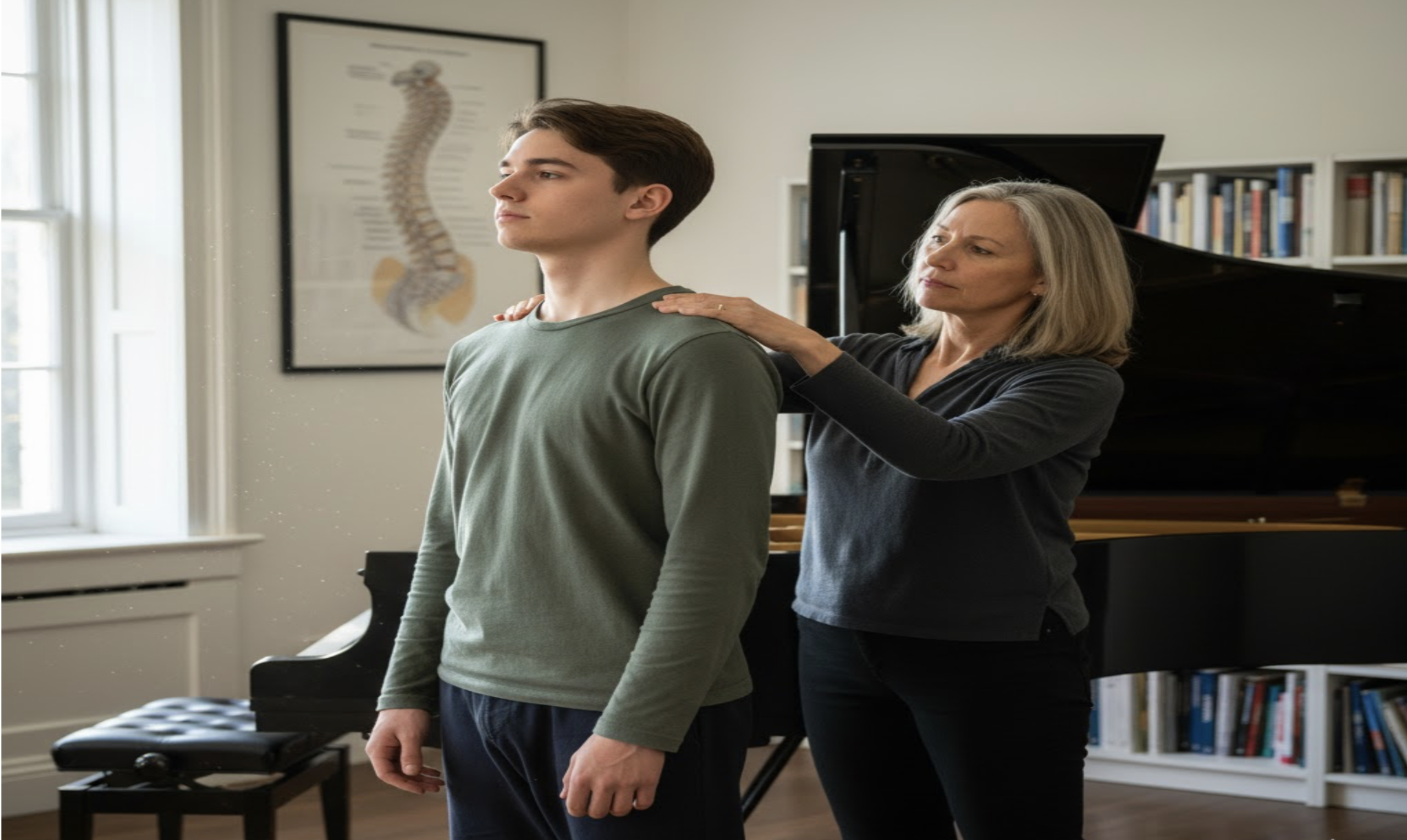
The Alexander Technique is a method of body awareness and coordination designed to eliminate unnecessary tension and improve overall movement efficiency. For pianists, applying this technique can dramatically enhance freedom, control, and expressiveness at the instrument. By focusing on posture and alignment, pianists can develop a playing style that feels both effortless and natural.
The foundation of the Alexander Technique is awareness of the head-neck-back relationship. Pianists are encouraged to maintain a balanced, upright posture where the head rests lightly atop the spine. This allows for unrestricted movement of the arms and hands. When the head is pulled forward or down, tension builds, restricting motion and increasing fatigue.
In practice, pianists can use the Alexander Technique by checking in with their body before and during playing. Notice if your shoulders are rising, if your jaw is tight, or if you’re leaning too close to the keyboard. Releasing these subtle tensions helps the arms move freely, allowing a more responsive connection between mind, body, and music.
Breath is also a central element. Pianists often unconsciously hold their breath during difficult passages, which increases stiffness. By practicing deep, steady breathing and staying mentally calm, players can maintain physical ease even in technically challenging moments.
Integrating the Alexander Technique into daily practice helps pianists achieve not just technical improvement, but also a greater sense of artistic presence. The result is a sound that flows naturally from a body in balance—energized, expressive, and fully alive.
Written by Meredith Wesolek
Related View More
How the Reformation Shaped the Music of J.S. Bach
The History of the Creation of the Piano
How the Reformation Shaped the Music of J.S. Bach
How to Expose Your Children to Excellent Classical Music