How to Use Arm Weight to Play Advanced Piano Music Using the Taubman Method

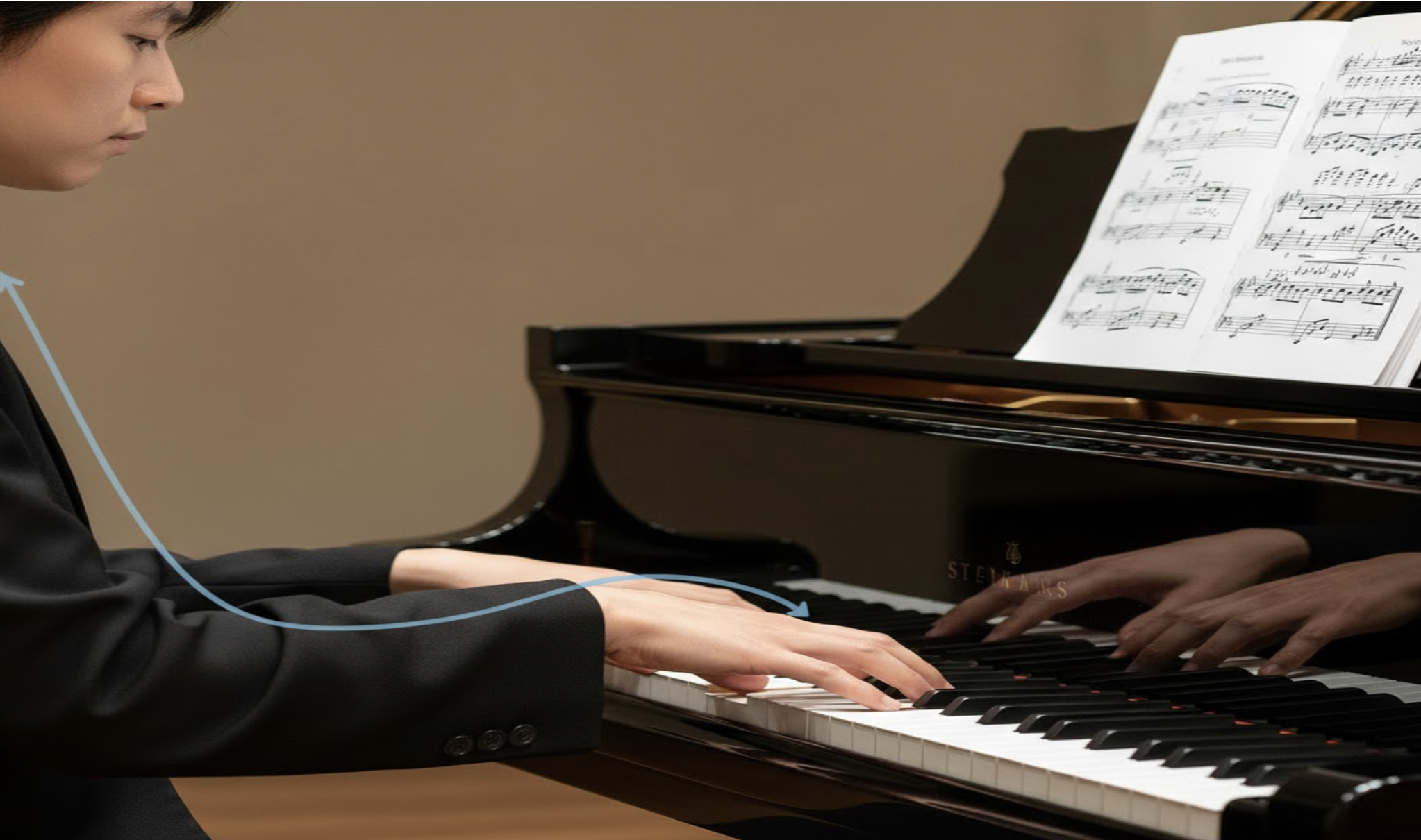
The Taubman Method is a transformative approach to piano technique that emphasizes natural, efficient movement. One of its central principles is the use of arm weight, the idea that the arm, not just the fingers, is the source of sound and control. Instead of relying on finger strength alone, pianists learn to coordinate the entire playing mechanism, from shoulder to fingertip, to produce tone effortlessly. This method not only enhances sound quality but also prevents tension and injury, especially when performing technically demanding repertoire.
Understanding arm weight begins with body alignment. When seated properly, the arms should feel free and balanced, not held up or forced downward. The Taubman approach encourages using gravity as a tool — allowing the arm to “drop” naturally into the keys, with the fingers merely guiding the motion. This controlled drop transfers the arm’s weight efficiently through the fingertips, creating a rich, resonant tone without excessive effort.
A common misconception is that using arm weight means “pressing harder.” In reality, it’s about releasing unnecessary tension and letting gravity assist. Pianists are trained to feel the arm’s natural descent and its rebound, maintaining freedom in the wrist and forearm. Practicing slow, deliberate drops on single keys and simple chords helps build the sensation of supported weight and freedom from stiffness.
When applied to advanced repertoire, arm weight allows for greater dynamic range and tonal variety. In pieces by composers like Rachmaninoff or Chopin, where sound color and phrasing are essential, using arm weight ensures that the tone remains full without physical strain. Even rapid passages benefit, as the pianist learns to connect motions fluidly rather than isolating finger movements.
Ultimately, mastering arm weight through the Taubman Method fosters effortless control and expressive sound. It’s not just a technical adjustment, it’s a shift in how pianists experience movement, balance, and sound production. For serious students aiming for both longevity and artistry, this principle is indispensable.
Written by Meredith Wesolek
No Lessons for Angela’s Students
Related View More
How the Reformation Shaped the Music of J.S. Bach
The History of the Creation of the Piano
How the Reformation Shaped the Music of J.S. Bach
How to Expose Your Children to Excellent Classical Music