The 4 Periods of Classical Music and How They Influence Music Today

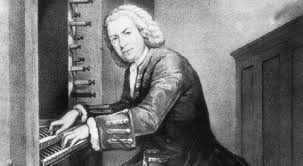
Classical music has shaped the way we listen to, perform, and create music today. By understanding the four main periods of classical music, students can better appreciate the styles they play and recognize how these traditions continue to influence modern music. Below is a simple overview of each period and its lasting impact.
1. Baroque Period (1600–1750)
The Baroque period is known for its ornamentation, structured patterns, and expressive detail. Composers such as Johann Sebastian Bach and George Frideric Handel emphasized balance, counterpoint, and steady rhythms.
Influence today: Baroque techniques like chord progressions, harmonic structure, and counterpoint are still used in modern music, including jazz, film scores, and contemporary piano compositions.
2. Classical Period (1750–1820)
Music from the Classical period focuses on clarity, balance, and simplicity. Composers such as Wolfgang Amadeus Mozart and Joseph Haydn created music with clear melodies and predictable forms.
Influence today: Many popular songs follow the same clear structures developed during this period. The emphasis on catchy melodies and balanced phrasing remains central in modern pop and instrumental music.
3. Romantic Period (1820–1900)
The Romantic period placed a strong emphasis on emotion, storytelling, and personal expression. Composers like Frédéric Chopin, Franz Liszt, and Clara Schumann expanded dynamics, tempos, and technical demands.
Influence today: The emotional depth found in movie soundtracks, video game music, and expressive piano pieces can be traced directly back to Romantic-era ideals.
4. Modern Period (1900–Present)
The Modern period embraces experimentation and diversity. Composers began breaking traditional rules by exploring new harmonies, rhythms, and sounds. This period includes styles ranging from impressionism to minimalism.
Influence today: Many contemporary genres, including film scoring, electronic music, and experimental compositions, reflect the freedom and innovation that began during this time.
Understanding these four periods helps students connect the music they play to the broader history of music. By recognizing how classical traditions continue to shape today’s sound, pianists can develop a deeper appreciation for both past and present music.
Written by Meredith Wesolek
Setting Goals for Piano Practice in the New Year
Related View More
How the Reformation Shaped the Music of J.S. Bach
The History of the Creation of the Piano
How the Reformation Shaped the Music of J.S. Bach
How to Expose Your Children to Excellent Classical Music
How Music Prepares Children for Life Skills