The History of the Creation of the Piano

The piano is one of the most versatile and expressive instruments in music history. From delicate melodies to powerful chords, its wide range of sound has made it central to classical, jazz, and modern music. However, the piano did not appear overnight. Its creation was the result of centuries of experimentation with keyboard instruments and a desire for greater dynamic control.
1. Keyboard Instruments Before the Piano
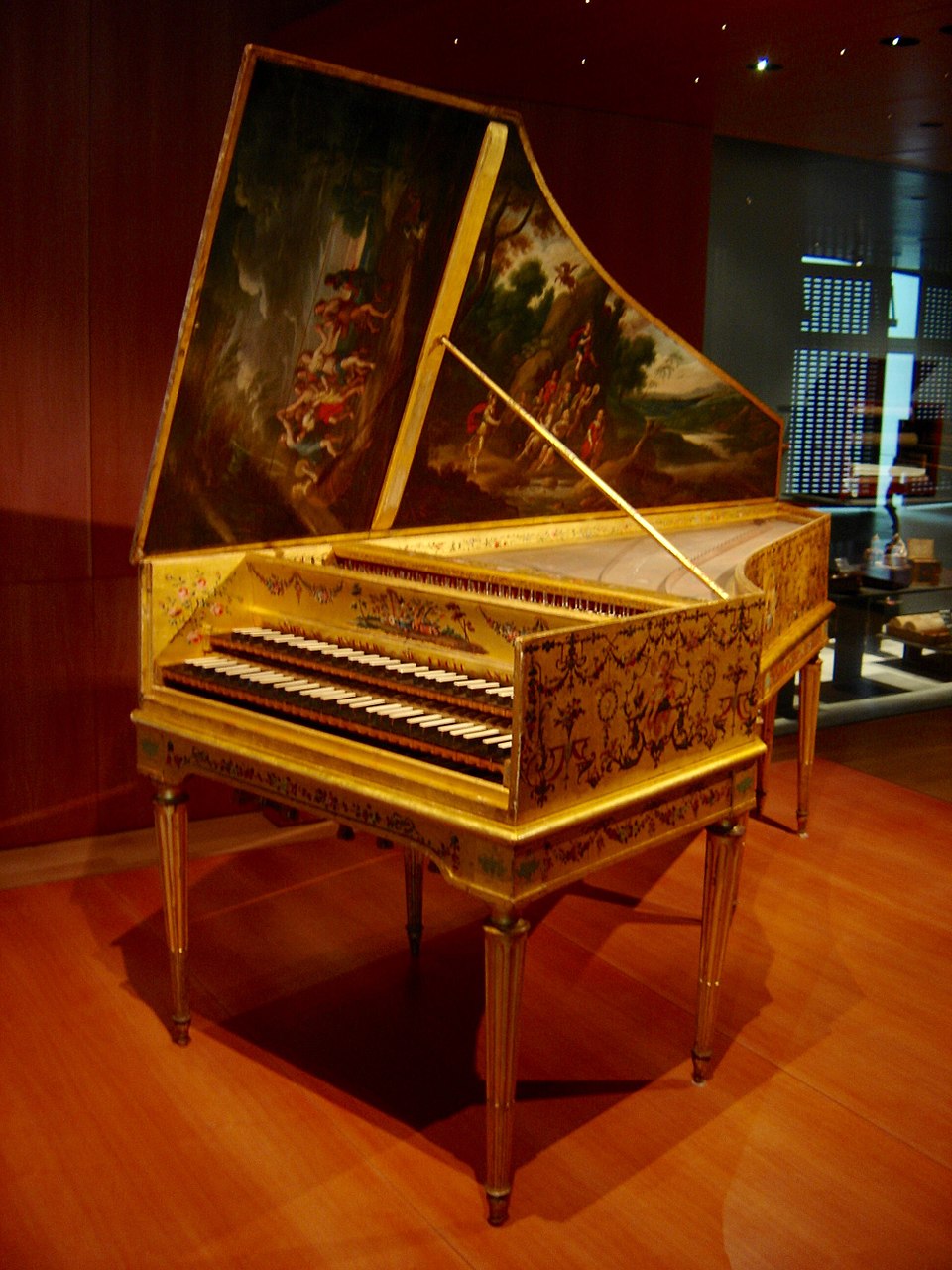
Before the piano, instruments like the harpsichord and clavichord were commonly used. The harpsichord produced sound by plucking strings, which limited a player’s ability to control volume. The clavichord allowed for some dynamic variation but was too quiet for large performances.
Musicians and composers wanted an instrument that could play both softly and loudly while still projecting sound. This need set the stage for the invention of the piano.
2. Bartolomeo Cristofori and the First Piano
The piano was invented around 1700 by Bartolomeo Cristofori, an Italian instrument maker. His instrument was called the gravicembalo col piano e forte, meaning “harpsichord with soft and loud.”
Cristofori’s key innovation was the hammer mechanism. Instead of plucking strings, small hammers struck them and immediately rebounded, allowing players to control dynamics based on how forcefully they pressed the keys. This mechanism became the foundation of the modern piano.
3. The Piano’s Growth and Popularity
Throughout the 18th and 19th centuries, the piano continued to evolve. Builders expanded its range, strengthened the frame, and improved string tension. These changes allowed for louder sound and greater expressive possibilities.
Composers such as Mozart, Beethoven, and Chopin embraced the piano’s capabilities, helping establish it as a central instrument in Western music and in homes around the world.
The piano was born from innovation, craftsmanship, and musical curiosity. Its ability to respond to touch and emotion set it apart from earlier keyboard instruments and shaped centuries of music that followed. Understanding its history helps musicians appreciate not just how the piano works, but why it remains such a powerful tool for expression today.
Written by Meredith Wesolek
Related View More
How the Reformation Shaped the Music of J.S. Bach
How the Reformation Shaped the Music of J.S. Bach
How to Expose Your Children to Excellent Classical Music
How Music Prepares Children for Life Skills
Comments
This post currently has no responses.