How Music Prepares Children for Life Skills

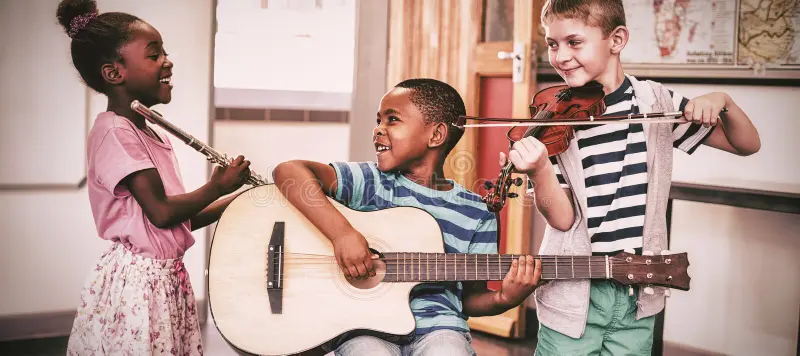
Learning music offers children far more than the ability to play an instrument. Through consistent practice, performance, and instruction, music education helps children develop essential life skills that support success both inside and outside the classroom. Below are three key ways music prepares children for life.
1. Builds Discipline and Time Management
Music requires regular practice, which teaches children how to manage their time and stay committed to long-term goals. By balancing school, activities, and practice, students learn responsibility and the importance of following through. These habits translate directly into academic success and future professional skills.
2. Strengthens Confidence and Resilience
As children learn new pieces and overcome challenges, they gain confidence in their abilities. Music also teaches resilience, since mistakes are a natural part of the learning process. Performing for others and receiving feedback helps children become more comfortable with growth, effort, and self-improvement.
3. Encourages Creativity and Emotional Expression
Music provides a healthy outlet for creativity and emotional expression. Children learn how to communicate feelings through sound, developing emotional awareness and empathy. These skills support strong communication, problem-solving, and interpersonal relationships throughout life.
Written by Meredith Wesolek
Related View More
How the Concept of “Imago Dei” Shapes Music Education
Explore the Royal Conservatory of Music Examination Program
Should My Child Take Piano Exams?
Why Learn Classical Piano Repertoire?